Why are career conversations so hard?
We hear, time and time again, that both leaders and team members are filled with dread when the personal development conversation time of year rolls around.
The conversation often starts ok, focusing on what's needed to develop in the current role, but goes quickly downhill when it comes to talking about what next. End result: the conversation gets wrapped up as quickly as both parties can manage!
And yet, we know from research that lack of career development opportunities is a key factor in people leaving their jobs. If the path isn’t clear, it can seem so easy to jump ship for a shiny opportunity elsewhere, when in reality the right move may be at their current workplace, undiscovered.
This is something we can ill afford to risk in the current market.

Three problematic assumptions…
We reckon there are three underlying assumptions that get in the way of great career development conversations.
The first assumption is that individuals are clear about what they want to do next and why they want to do it. This is a fundamentally flawed assumption. Why? Because so many of us landed in our jobs without much in the way of planning, so when we then need to visualise where next, without any tools or frameworks to do that, we're at sea!
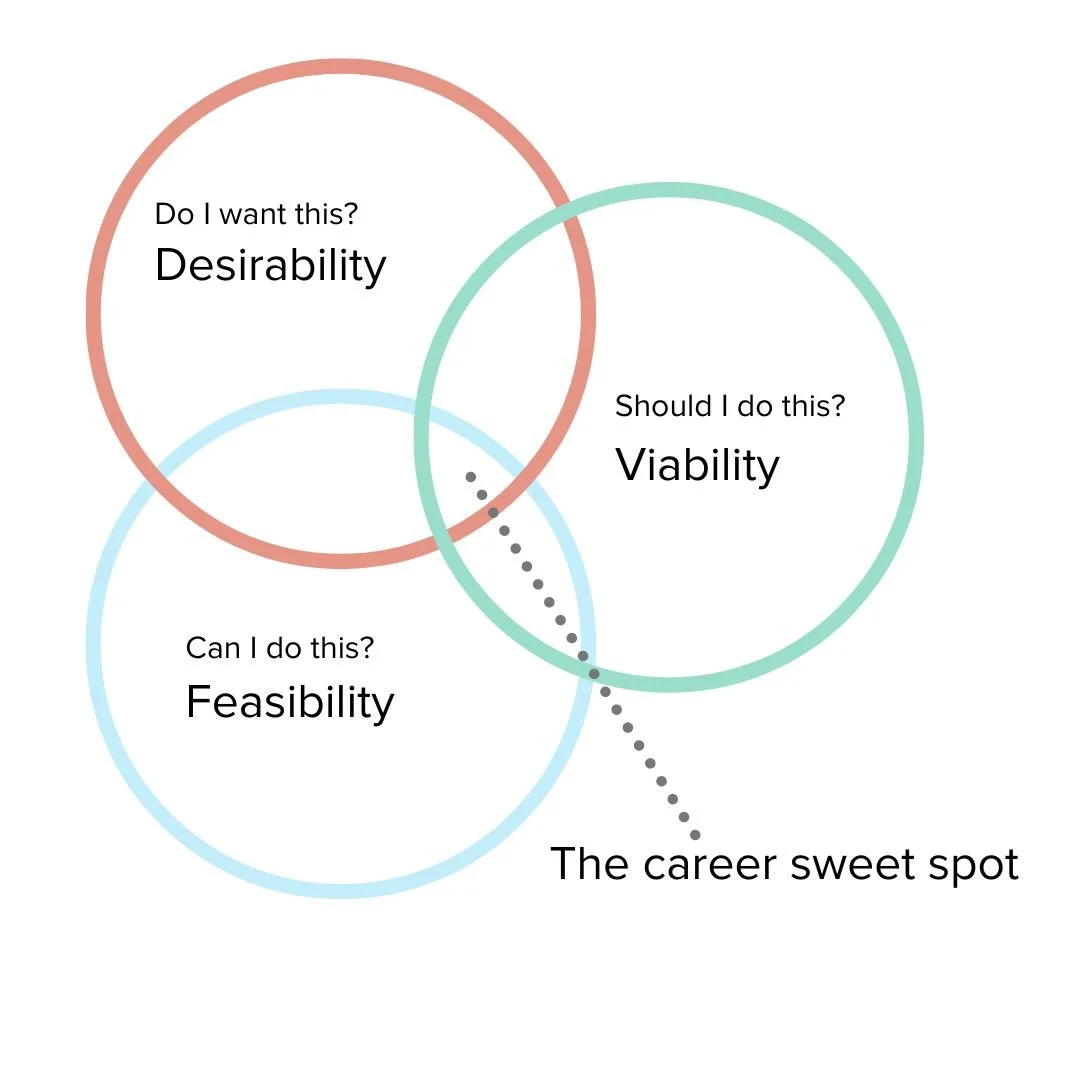
Figuring out what to do next takes time and should always start with getting crystal clear on who you are, what you have and what you need to thrive at work, before turning to options. Teasing this stuff out requires a good process and a coach approach.
The second assumption is that leaders and their team members know who is responsible for what in the career development process. If this hasn't been explicitly stated, it can lead to team members arriving with folded arms and a 'so what are you going to do for me?' attitude. Equally, leaders who think it’s their job to chart a career path for their people may hold back from the conversation if they don’t have ‘the answer’.
We believe it's not the leader's job to take responsibility for their team member's careers. Individuals need to own and drive their career plans. After all, it's their life! However, leaders need to be great career coaches, and help their people figure this stuff out and use their wider view across the organisation to make helpful suggestions and advocate for their people when opportunities arise.
This brings us neatly to the third assumption; that leaders know how to be great career coaches. If you’re lucky enough to have been on a leadership development programme, chances are you’ve learned and practiced coaching skills, but who gets trained in coaching for career development? Not many, so it’s not surprising that leaders default to a ‘manager or advisory’ approach to career conversations.
Put your coaching hat on
With a coaching ‘hat on’ managers can support and encourage their people to uncover what drives them, and to get creative about experimenting, meeting people and having new experiences. Most importantly they hold their people accountable for the actions to progress their plans.
Learning to be an effective manager/career coach takes time. The coaching skills aren’t especially difficult to learn, but it does take practice to feel confident. But perfection is not needed here.
The beauty of coaching is that even a short conversation, with some insightful questions that is needed for ‘ahhh’ moments to occur, and the next step to become clearer.
And if learning to coach just sounds too hard, outsource to career coaching experts! We can help with that, just saying.
Related stories