Don’t resign yourself to the Great Resignation
Barely a day goes by without a social media or news headline screaming about the Great Resignation. In New Zealand, there’s no doubt the statistics are up! AUT’s Wellbeing at Work study found the number of people committed to sticking with their jobs has halved in a year down to 9.2%, and those keen to change jobs has lifted 10 points to 46.4%. Stats NZ June quarter report shows that 12,100 people left their job due to dissatisfaction with job or conditions, second only to the end of fixed term contracts/temporary work (16,400).
People across the board are reconsidering what it is to be at work these days, what kind of work they want to do, and how it fits their lives. In an extremely constricted labour market it must feel like employees hold all the cards.

The standard responses to these labour market conditions of pay, perks, wellbeing initiatives may be enough for some, but if people aren’t satisfied with their jobs, these tactics aren’t likely to hold for long.
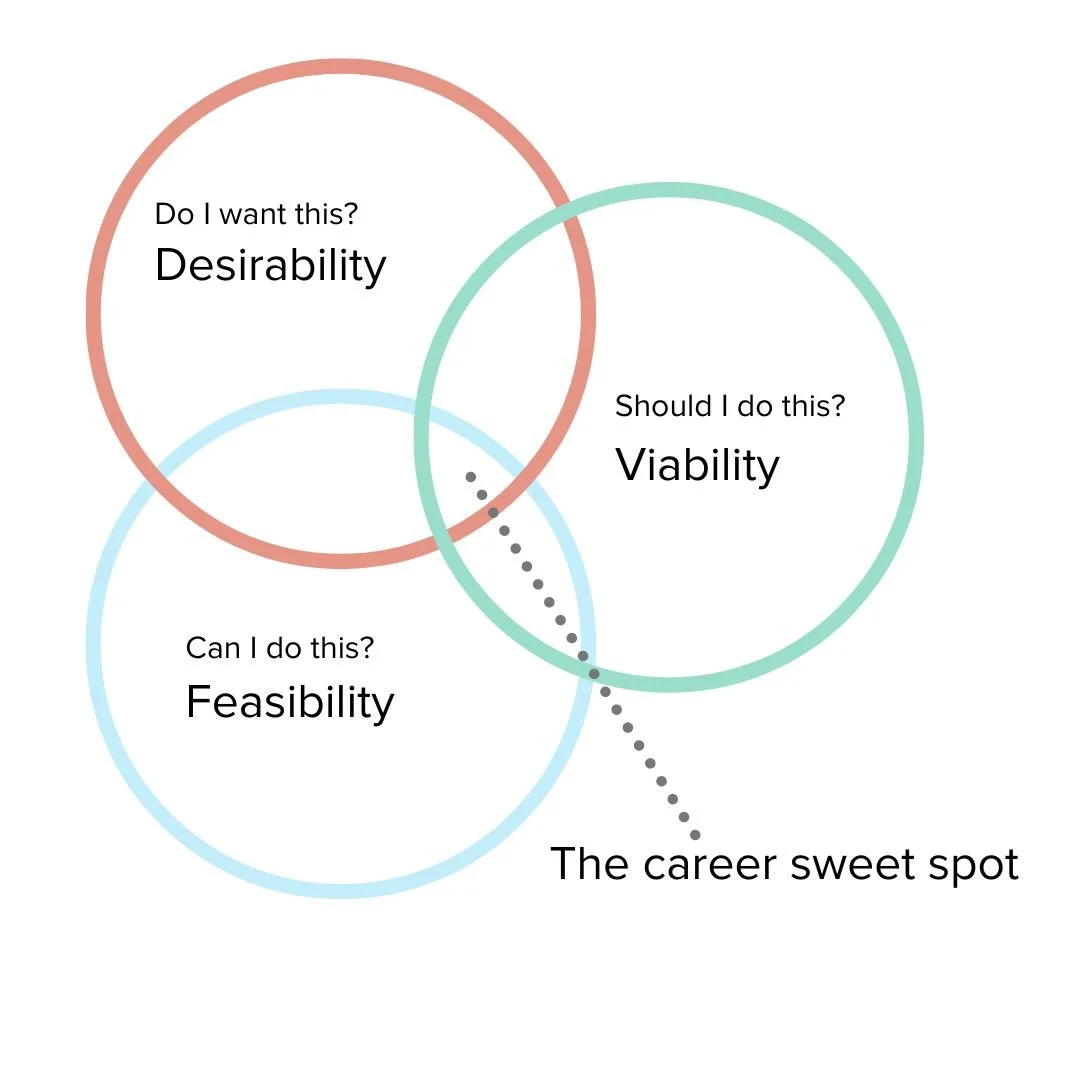
If lack of job satisfaction is a main driver, (and within that lack of career development usually ranks very high), are employers doing enough to help their people get clarity about what they really want from their careers? How much is really known about individual career aspirations, what they love and hate about their jobs, what super powers they have and want to develop, and what lights their fire? Are employers willing and able to genuinely and openly engage in that conversation, and get creative in doing something about it?
There is a strange assumption in the wide, wide world, which is that people just know what it is that they want to do with their careers, and what is meaningful for them. My decades in HR, and more recently my time at amp’d careers, has taught me that this is the exception rather than the rule.
Yes, annual career ‘conversations’ are expected but if they happen at all, they are often stilted, awkward and wrapped up promptly because neither participant has the skills for the job at hand.
Planning and navigating a career is a skillset that simply is not taught. Not at school, not at university, and not in a work setting, and yet we spend nearly five decades of our lives at work! And career-coaching is a skill-set rarely included in Leadership programmes.
I believe closing these two skill gaps will go a very long way towards turning around job dissatisfaction levels and massively boosting engagement and retention. Careers that Work is our dedicated programme to answer this challenge.
Creative and smart solutions for unlocking talent and development opportunities are increasingly accessible for organisations of all sizes. Hive is a great example. It smartly creates an internal talent marketplace that connects hidden talent with work that needs to get done.
Providing the gift of time and space for your people to delve into what is meaningful for them at work, the freedom to map out ideas and plans, and tease out ways to safely test their plans is hugely valuable. Place this in a supportive, career-coaching environment, and the career explorations are much more likely to result in next steps that are genuinely doable.
Simon Sinek’s great quote inspires me on this: “When we know why we do what we do, everything falls into place. When we don’t we have to push them into place” Creating an open and trusting environment at work where career options (whatever they are) can be openly explored and supported creates a bond of respect and trust that won't be forgotten.
And having those conversations regularly might buy you time to make important changes before a resignation lands on the desk. Your people are likely to discover, with clarity on what they want, that they are already where they need to be.
Related stories